
Viper 5706V Manual: Comprehensive Guide
Navigating Amazon’s customer service can be challenging, with outsourced support and account issues frequently reported.
Resolving problems often involves a frustrating loop between Amazon and credit card companies.
The Viper 5706V represents a significant advancement in vehicle security and remote start technology. Many users, however, encounter difficulties with Amazon’s services, mirroring potential frustrations with complex systems. Like navigating Amazon’s support – often outsourced – understanding the 5706V requires patience and a methodical approach.
Account lockouts and disputed returns, as seen with Amazon customers, highlight the importance of proper setup and troubleshooting. This manual aims to demystify the 5706V, offering clear guidance to ensure optimal performance. Just as resolving Amazon issues demands persistence, mastering this system will provide peace of mind and enhanced vehicle control. Expect a detailed exploration of features and functionality.
System Components and Overview
The Viper 5706V system comprises several key components: the control module, remote transmitters, a shock sensor, a siren, and wiring harnesses. Similar to Amazon’s vast product catalog – including used goods with varying conditions – each component plays a crucial role in overall functionality.
The control module serves as the system’s brain, processing signals and activating features. Remote transmitters enable arming, disarming, and remote start. The shock sensor detects impacts, triggering the alarm. Like Amazon’s customer service experiences, component integration requires careful attention. Understanding each part’s function is vital, mirroring the need to navigate Amazon’s policies for returns or account issues. Proper installation ensures reliable operation and maximum security.

Installation Guide
Account lockouts and payment issues, like those experienced on Amazon, highlight the importance of meticulous preparation and following instructions carefully during installation.
Vehicle Compatibility Check
Before beginning the Viper 5706V installation, verifying your vehicle’s compatibility is absolutely crucial. Many Amazon users report issues with products not matching descriptions, mirroring the potential for system incompatibility. A thorough check prevents frustrating setbacks and ensures optimal performance. Consult the Viper website’s vehicle lookup tool, inputting your vehicle’s year, make, and model.
Confirm the 5706V is specifically listed as compatible. Pay close attention to any noted exceptions or limitations. Incorrect installation due to incompatibility can damage your vehicle’s electrical system, void warranties, and create operational problems. Double-check wiring diagrams and bypass module requirements based on your vehicle’s specifications. Prioritize accuracy to avoid the cycle of issues reported by Amazon customers regarding misrepresented items.
Wiring Diagram Explanation
The Viper 5706V wiring diagram is the roadmap for successful installation, demanding careful attention to detail – much like verifying product details on Amazon to avoid discrepancies. Each wire is color-coded and labeled, corresponding to specific vehicle functions. Key connections include power, ground, ignition, starter disable, door locks, and siren.
Understanding the diagram requires identifying these circuits within your vehicle. Utilize a multimeter to confirm wire functions before making connections. Incorrect wiring can lead to system malfunctions or vehicle damage, echoing the frustrations of Amazon customers receiving faulty goods. Pay close attention to bypass module wiring, as it varies by vehicle. Refer to the diagram frequently during installation, ensuring each connection is secure and properly insulated.
Bypass Module Installation
The Viper 5706V often requires a bypass module for modern vehicles with immobilizer systems – a process mirroring the need to verify Amazon returns are correctly processed. This module allows the remote start function to operate without disabling the vehicle’s security features. Installation involves connecting the bypass module to the vehicle’s data network, typically using a T-tap connection.
Carefully follow the bypass module’s specific instructions, as wiring varies significantly between vehicle makes and models. Incorrect installation can cause starting issues or security system malfunctions, similar to receiving a damaged item from Amazon. Ensure all connections are secure and properly insulated. Programming the module to recognize your vehicle’s security system is crucial for proper operation.
Antenna Installation and Placement
Optimal antenna placement is critical for maximizing the range of your Viper 5706V system, much like ensuring Amazon delivers to the correct address. The antenna should be mounted in a high, unobstructed location, ideally on the windshield or rear window. Avoid areas blocked by metal or tinted glass, as these can significantly reduce signal strength.
Secure the antenna firmly to prevent it from detaching during vehicle operation. Route the antenna wire carefully, avoiding pinch points and sharp edges. Proper grounding is also essential for minimizing interference. Like troubleshooting Amazon account locks, careful attention to detail during installation prevents future issues. Test the system’s range after installation to confirm optimal performance.

Programming and Configuration
Account issues and locked Amazon accounts highlight the need for precise settings. Similarly, the Viper 5706V requires careful programming for optimal security and functionality.
Remote Programming Basics
Similar to navigating complex Amazon account issues, the Viper 5706V’s remote programming demands a systematic approach. Initial setup typically involves entering a programming mode, often triggered by a specific key combination on your remote. This unlocks access to customizable settings.
Understanding the LED response codes is crucial; these flashes indicate successful entry or error messages. Common adjustments include setting the remote’s channel to avoid interference with other systems.
Programming additional remotes requires placing the system into a learn mode, then transmitting signals from the new remote. Always consult the full manual for specific sequences, as variations exist. Remember, resolving Amazon problems and car security systems both require patience and attention to detail.
Setting Up Valet Mode
Much like dealing with Amazon’s fluctuating delivery promises, the Viper 5706V’s Valet Mode offers a layer of security when handing your vehicle over. Activating this mode disables remote start and potentially other features, preventing unauthorized use.
Typically, Valet Mode is engaged through a specific key sequence on your remote, often involving pressing and holding the valet button. The system will confirm activation with audible chirps or LED flashes.
Remember to deactivate Valet Mode upon regaining control of your vehicle, otherwise, remote functions will remain disabled. Like resolving Amazon account lockouts, understanding the precise steps is vital. Refer to the full manual for your specific model, as procedures can vary. Careful setup ensures peace of mind.
Adjusting Sensor Sensitivity
Similar to Amazon’s algorithm determining product recommendations, the Viper 5706V’s sensor sensitivity requires fine-tuning. Incorrect settings can lead to false alarms or, conversely, fail to detect actual threats. Adjusting sensitivity involves programming the system, often through a sequence of key presses on your remote.
Higher sensitivity detects even minor disturbances, potentially triggering alarms from wind or passing vehicles. Lower sensitivity requires more significant impact to activate the alarm. Finding the right balance is crucial.
Like navigating Amazon’s customer service, experimentation may be needed. Start with medium sensitivity and adjust based on your environment. Consult the manual for specific programming instructions and remember to test the system after each adjustment.
Programming Additional Remotes
Much like Amazon’s account security requiring verification, adding remotes to your Viper 5706V demands a specific programming sequence. This process ensures only authorized users can control your vehicle’s security system. Typically, it involves entering the system’s programming mode, often initiated by a key-in-ignition sequence.
Then, you’ll transmit a signal from the new remote, effectively “teaching” the system its unique code. The manual details the exact steps, which can vary slightly depending on the system’s configuration.
Be patient; it may take a few attempts. Like resolving issues with Amazon, careful adherence to the instructions is key. Always test the new remote after programming to confirm functionality.

System Operation
Similar to Amazon’s complex logistics, the Viper 5706V offers robust control. Arming, disarming, and remote start functions require understanding alarm triggers and remote features.
Arming and Disarming the System
Much like navigating Amazon’s return policies, successfully arming and disarming your Viper 5706V requires precise steps. The system offers multiple arming modes – standard, valet, and dual-zone – each suited for different scenarios. To arm, press the lock button on your remote; a confirmation chirp and LED flash indicate success. Disarming is achieved by pressing the unlock button.
However, be mindful of potential issues, mirroring the frustrations users face with Amazon account locks. If the system doesn’t respond, check the remote battery and ensure no zones are triggered. Understanding these nuances, similar to deciphering Amazon’s terms of service, is crucial for smooth operation. Incorrect disarming can lead to false alarms, echoing the problems of falsely flagged Amazon accounts.
Understanding Alarm Triggers
Similar to Amazon’s complex algorithms flagging accounts, the Viper 5706V utilizes various sensors to detect potential threats. These include door, hood, trunk, and shock sensors, alongside a motion detector. A triggered sensor initiates a loud siren and sends a notification to your remote. False alarms, much like incorrect Amazon purchase flags, can occur due to sensitivity settings or faulty sensors.
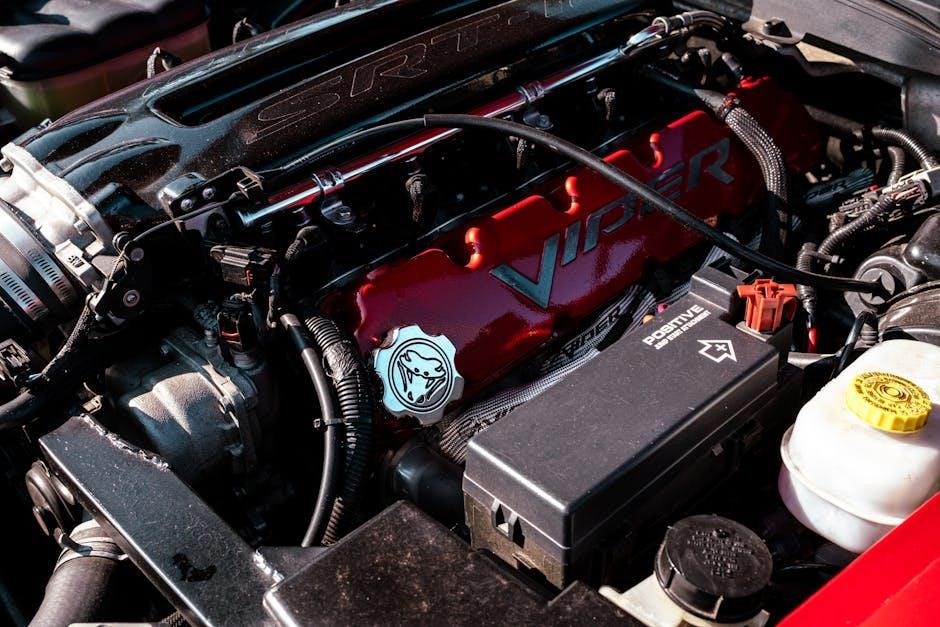
Understanding each trigger’s function is vital. For instance, the shock sensor reacts to impacts, while the motion detector senses movement inside the vehicle. Just as resolving Amazon issues requires patience, diagnosing alarm triggers demands methodical checking of each sensor. Ignoring triggers, like ignoring Amazon notifications, can lead to unresolved security concerns.
Using the Remote Start Feature
Echoing Amazon’s seamless product delivery aim, the Viper 5706V’s remote start offers convenience. Pressing the designated button on your remote initiates the engine, pre-conditioning the vehicle’s temperature. However, safety interlocks prevent starting if the hood is open or the vehicle is in gear – akin to Amazon’s security checks during transactions.
The runtime is typically factory set to 15 minutes, adjustable via programming. Like navigating Amazon’s vast catalog, understanding the sequence is key: unlock, then remote start. Repeated attempts without meeting conditions can lock the feature, mirroring Amazon’s account security measures. Ensure the parking brake is engaged for successful operation, avoiding potential issues.

Troubleshooting Common Issues
Similar to Amazon’s product return complexities, Viper 5706V issues range from alarm malfunctions to remote start failures and sensor problems requiring careful diagnosis.
Alarm System Malfunctions
Experiencing false alarms or a system that fails to arm/disarm mirrors the frustrations reported with Amazon’s account lockouts and unresolved issues. First, verify the hood, trunk, and door sensors are correctly adjusted; these are common culprits. Check the siren – a faulty siren can cause intermittent or constant alarming.
If the system triggers unexpectedly, review recent programming changes. A sensitivity setting that’s too high can lead to false positives. Consider the environment; vibrations or loud noises might be triggering the sensors. Like navigating Amazon’s customer service, methodical troubleshooting is key. If problems persist, consult the Viper SmartStart app (if integrated) for diagnostic information or contact Viper support for assistance, avoiding the circular problem of Amazon/credit card disputes.
Remote Start Problems
Similar to encountering damaged goods on Amazon despite sealed packaging, remote start issues can be perplexing. Begin by ensuring the vehicle’s parking brake is firmly engaged – a common requirement. Verify the system recognizes the key isn’t present in the ignition. Check the remote’s battery; a weak battery can limit range and functionality.
If the engine cranks but doesn’t start, there might be a fuel delivery or ignition system issue unrelated to the Viper system itself. Like Amazon’s inconsistent delivery timeframes, intermittent problems can be difficult to diagnose. Review the programming to confirm correct vehicle settings. If issues continue, consult the Viper SmartStart app or contact customer support, avoiding the frustrating back-and-forth seen with Amazon account disputes.
Sensor Issues and Solutions
Much like Amazon’s varying product quality – Aunt Tilly’s TV experience won’t mirror yours – sensor performance can differ. False alarms, similar to Amazon’s inaccurate delivery estimates, are often caused by sensitivity settings. Begin by adjusting the shock sensor sensitivity; lower settings reduce false triggers. Ensure sensors aren’t obstructed by dirt, ice, or debris.
If a door or hood sensor isn’t registering, check the wiring connections and ensure the sensor isn’t damaged. Intermittent issues might indicate a failing sensor requiring replacement. Remember, resolving these problems can feel like navigating Amazon’s customer service – persistence is key. Document any changes made and consult the manual for specific troubleshooting steps, avoiding the endless loop of support transfers.
Advanced Features

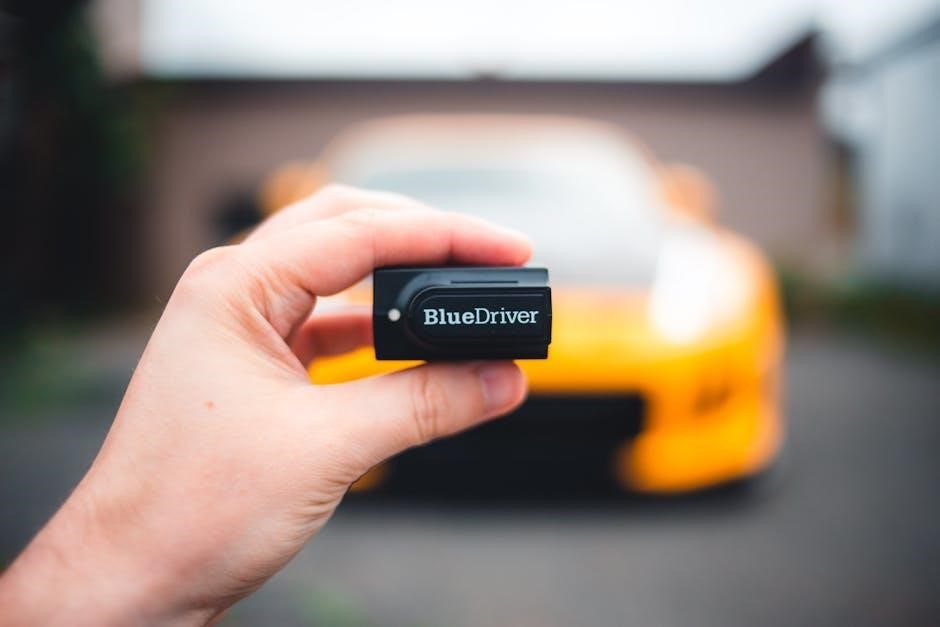
Like Amazon Luna’s cloud gaming, the Viper 5706V offers smartphone control via Viper SmartStart. Integration with other security devices expands system capabilities significantly.
Smartphone Control via Viper SmartStart
Viper SmartStart empowers users with remote access and control over their 5706V system directly from their smartphones. This feature mirrors Amazon’s approach to accessibility, bringing convenience to your fingertips. Download the Viper SmartStart app, available for iOS and Android devices, and create an account linked to your vehicle.

Through the app, you can arm and disarm your alarm, remotely start your engine, lock and unlock doors, and even track your vehicle’s location. Real-time alerts regarding alarm triggers and system status are delivered directly to your phone, keeping you informed. Similar to Amazon’s product reviews, user experience with SmartStart is generally positive, offering a seamless and intuitive interface. Ensure a stable data connection for optimal performance, mirroring the need for reliable internet access for Amazon services.
Integrating with Additional Security Devices
The Viper 5706V’s versatility extends to integration with other security components, enhancing your vehicle’s overall protection. Much like Amazon’s expansive product ecosystem, the 5706V can connect with compatible sensors, sirens, and even GPS tracking modules. This allows for a customized security setup tailored to your specific needs.
Expanding the system with additional sensors, such as glass break or motion detectors, provides layered defense. Integrating a GPS tracking module, similar to Amazon’s package tracking, enables vehicle location monitoring in case of theft. Professional installation is highly recommended to ensure seamless compatibility and proper functionality. Be mindful of potential interference or conflicts between devices, mirroring the challenges of integrating various products within a complex system like Amazon’s marketplace.

Warranty and Support
Like Amazon’s customer service experiences, Viper offers warranty protection and support resources. Accessing assistance may require navigating specific procedures and documentation.
Viper 5706V Warranty Information
Similar to navigating issues with Amazon purchases, understanding the Viper 5706V warranty is crucial. Viper offers a limited warranty covering defects in materials and workmanship for a specified period, typically one year from the original purchase date. This warranty doesn’t cover damage resulting from improper installation, misuse, accidents, or unauthorized modifications – mirroring Amazon’s policies on returns of damaged goods.
To make a warranty claim, you’ll generally need proof of purchase and a detailed description of the defect. Contacting Viper’s customer support is the first step, potentially involving submitting documentation, much like Amazon’s request for purchase verification. The warranty process, like resolving Amazon account locks, can sometimes be complex, requiring patience and persistence. Review the full warranty details in the product documentation for complete coverage specifics.
Contacting Viper Customer Support
Echoing the frustrations some experience with Amazon’s outsourced customer service, reaching Viper support requires navigating available channels. Direct phone support is often the quickest route, though wait times can vary. Alternatively, Viper provides support via email, allowing for detailed issue descriptions and documentation – similar to submitting evidence for an Amazon account issue.
Their website features a comprehensive FAQ section, potentially resolving common questions without direct contact, akin to searching for answers within Amazon’s help pages. Online chat support may also be available. Be prepared to provide your system’s model number and proof of purchase. Like dealing with Amazon, clear communication and patience are key to a successful resolution. Check Viper’s official website for the most up-to-date contact information.