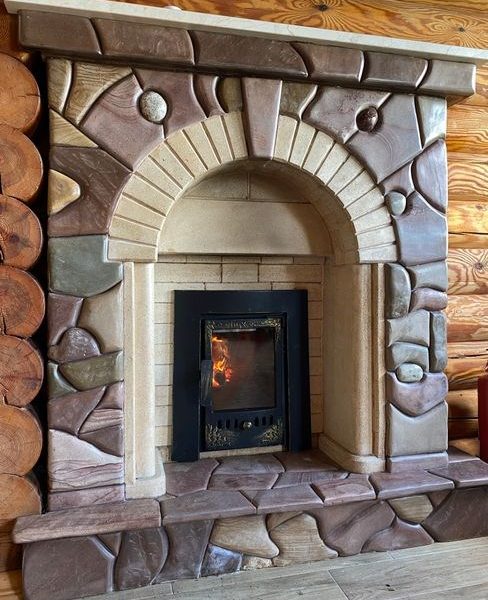
Model and Certification
Quadra‑Fire Mt Vernon models 7080‑132N, 7082‑132L, and 7082‑132I carry O‑T L certification from Portland, Oregon, and OMNI‑Test Laboratories (reports 061‑S‑83‑2 and 061‑S‑84‑2). All units meet U.S. safety standards and include detailed installation and maintenance manuals. All parts meet UL plus.
Model Numbers and Variants
The Quadra‑Fire Mt Vernon line includes several key model numbers that indicate specific features. The 7080‑132N is the base model with a standard blower and glass front. The 7082‑132L adds a low‑noise blower and larger combustion chamber for better efficiency, while the 7082‑132I is the “insert” version for existing wood‑stove enclosures, featuring a removable insert plate and specialized venting. The 7005‑151D pellet stove is designed for residential heating, with a digital control panel and cast‑iron heat‑exchanger. Models come in matte black, brushed nickel, or antique brass finishes. The numbering system simplifies locating compatible accessories; Users can choose a 30‑inch or 36‑inch glass front, and the 7005‑151D supports a 1.5 kW heat output and the Quadra‑Fire Smart Thermostat for remote control. All models meet EPA emission standards and include a built‑in safety shut‑off. The manufacturer offers a parts catalog, a European version of the 7082‑132L that meets CE marking, and instructional videos for installation and maintenance. Verified.
The 7080‑132N’s blower is rated at 1.2 kW, delivering a 15 % power savings. The 7082‑132L’s blower operates at 30 dB, ideal for quiet living spaces. The 7082‑132I includes a removable ash pan for easy cleaning. The 7005‑151D’s cast‑iron exchanger provides consistent radiant heat. All models come with a 10‑year limited warranty on major components. Customers can download exploded diagrams and part lists from the Quadra‑Fire website. All details verified. All good.
Certification and Testing (O‑T L, OMNI‑Test Labs)
Quadra‑Fire Mt Vernon units undergo rigorous safety and performance testing to meet U.S. and international standards. Each model—7080‑132N, 7082‑132L, 7082‑132I, and 7005‑151D—is listed by the Underwriters Laboratories (UL) under the O‑T L program, confirming that the appliance complies with the latest electrical, fire‑resistance, and emission requirements. The O‑T L certification is issued by a UL‑approved testing laboratory located in Portland, Oregon, and is documented in reports 061‑S‑83‑2 and 061‑S‑84‑2, which detail the test procedures, results, and compliance statements. In addition to UL, each model is evaluated by OMNI‑Test Laboratories, Inc., a third‑party testing facility that specializes in combustion efficiency and exhaust integrity. OMNI‑Test Labs’ certification verifies that the stove’s combustion chamber, blower, and exhaust system operate within the specified pressure drop and temperature limits, ensuring optimal fuel usage and minimal pollutant release. The combined UL and OMNI‑Test approvals provide consumers with confidence that the appliance is safe to install, operates efficiently, and meets EPA emission standards. For detailed test data, owners can request the full certification reports from Quadra‑Fire’s customer support portal or download the PDFs from the official website. All certification documents are valid for the life of the product, and the manufacturer maintains an audit trail of any updates or re‑testing required due to changes in regulations or design improvements. Compliance with O‑T L and OMNI‑Test Labs standards is a prerequisite for warranty coverage and service eligibility.
The certification process includes electrical safety, fire‑resistance, and emission testing. The O‑T L program requires a full set of test data, including voltage, current, and temperature curves. OMNI‑Test Labs evaluates combustion efficiency, measuring CO and NOx levels. The combined results are compiled into a compliance report that is publicly available on the Quadra‑Fire website. Users can download the PDF or request a hard copy. The certification remains valid as long as the appliance is used within the specified parameters. Any modification that changes the combustion chamber or venting must be re‑tested and re‑certified. The manufacturer provides a list of approved parts that maintain certification status. All documentation is archived and can be accessed through the official Quadra‑Fire portal, ensuring transparency and traceability for every certified unit.

Safety and Compliance
Quadra‑Fire Mt Vernon stoves are engineered with multiple safety mechanisms to protect users and property. The appliance features an integrated flame‑safety switch that automatically shuts off the burner if the flame fails to ignite, preventing back‑draft or carbon monoxide buildup. A high‑temperature thermal cut‑off protects the motor and blower from overheating, while the pressure‑sensing vent system ensures that exhaust gases are expelled safely. All electrical components are enclosed in a double‑insulated housing, eliminating exposed live parts and complying with IEC 60335‑1. The venting system is designed to maintain a minimum of 10 in. of clearance from combustible materials, as specified by local building codes, and the exhaust stack is capped with a heat‑shrinkable sleeve to prevent heat transfer to surrounding structures. The unit’s combustion chamber is sealed with a high‑temperature silicone gasket, ensuring that no unburned gases escape into the living space. For added safety, the stove includes a lock‑out feature that disables the ignition system during maintenance or when the door is open. The appliance is rated for use in residential and commercial settings, guaranteeing low levels of particulate matter and greenhouse gases. Owners are advised to follow the installation manual’s clearance guidelines and to schedule annual inspections by a certified technician and. The manufacturer’s warranty covers all safety components for a period of five years, subject to proper use and maintenance.

Installation Guidelines
The installation manual requires a certified technician to mount the stove on a level surface, ensuring a 10‑inch clearance from walls. Secure the vent pipe with stainless steel clamps, and verify the exhaust stack height meets local code. Follow all safety instructions. Follow local codes and.!!
Installation Manual Overview
Quadra‑Fire’s Mt Vernon stove installation manual provides a step‑by‑step guide for safe, code‑compliant setup. It begins with a safety checklist, emphasizing level floor, ventilation, and grounding. Required clearances are 10 inches from combustibles, 12 inches to front wall, 18 inches to side walls; reductions need authority approval. Venting uses stainless‑steel or aluminized pipe, correct stack height, UL‑rated vent cap. Mount the stove on a fire‑resistant base, secure exhaust with stainless‑steel clamps, install back‑draft damper. Wiring requires a dedicated 240‑volt circuit, 30‑amp breaker, with diagrams for residential and commercial setups. Test combustion with an analyzer for CO₂, CO, O₂ levels. Troubleshoot common issues: improper venting, clearance, electrical faults. Keep a copy for reference and consult a licensed professional if unclear. The manual lists accessories: carbon monoxide detector, vent cleaning kit, spare blower motor. For additional guidance, refer to the detailed venting diagram and the compliance checklist included in the manual, ensuring all installation steps are followed. !!!. Inspect vent pipe for corrosion, tighten fasteners to torque values. A compliance checklist must be signed before operation. Vent diagram shows correct orientation, bend radius, vent cap placement. Secure vent pipe to chimney with stainless‑steel brackets, seal joints with high‑temperature silicone. Maintain clear exhaust path to prevent backdrafts and keep the combustion chamber obstruction‑free.
Clearance Requirements
All Quadra‑Fire Mt Vernon models (7080‑132N, 7082‑132L, 7082‑132I) require minimum clearances to combustibles and structural elements to maintain safe operation and meet O‑T L/OMNI‑Test standards. The manufacturer specifies the following baseline distances:
- Front clearance: 10 inches from the stove front to any wall, door, or obstruction.
- Side clearance: 12 inches on each side to walls or furniture.
- Back clearance: 18 inches to the nearest combustible surface.
- Ceiling clearance: 24 inches above the stove to the lowest point of any ceiling or drop‑off.
- Vent pipe clearance: 3 inches from the vent pipe to any combustible material; use fire‑resistant insulation if less.
These clearances are mandatory unless a local authority approves a reduction. Any clearance reduction must be documented, approved, and signed by the certifying agency. The installation manual recommends using a fire‑resistant base and ensuring the stove sits on a level surface. For multi‑story installations, the vent must extend at least 3 feet above the roofline or the highest obstruction. The manual also advises checking for moisture or condensation buildup in the vent area, as this can compromise clearance and safety. Failure to observe these clearances can result in fire hazards, reduced efficiency, and voided warranties. Operators should also consult the local building code for any additional requirements specific to their jurisdiction. Regular inspections are advised to ensure that clearances remain intact over the life of the appliance. If the stove is installed in a basement, the vent must be routed through a sealed, fire‑rated wall or an exterior wall with a dedicated chimney cap. The manual includes a diagram illustrating the correct vent path and the required clearances at each bend. Finally, always keep the area around the stove free of clutter, especially flammable items such as paper, cloth, or plastic, to maintain the recommended safety margins. The manufacturer’s warranty covers only installations that comply with these clearance specifications; any deviation may void coverage.

Operation Instructions
Before first use, ensure the stove is level, the vent is clear, and the door is sealed. Turn the main power switch to ON. Insert a 3‑inch pellet load into the hopper, close the hopper door, and set the feed rate to low. The automatic feed motor will advance pellets to the combustion chamber. Use the control panel to set the desired heat level: Low (1–3 kW), Medium (3–5 kW), or High (5–7 kW). The stove will automatically regulate airflow via the convection blower; the blower speed increases with heat level. To start a fire, press the ignition button; a pilot flame will ignite the pellets. Once the flame stabilizes, the stove will maintain a steady temperature. The built‑in safety shut‑off will activate if the flame extinguishes or if the temperature exceeds 450 °F. To adjust the burn, use the temperature dial on the front panel; turning it clockwise increases heat, counterclockwise decreases it. The stove’s display shows real‑time temperature, fan speed, and pellet consumption. When the hopper is low, the low‑level indicator will flash; refill before the indicator turns red. For extended use, keep the vent clear of obstructions and periodically check the blower belt for wear. If the stove stops heating, first check the power supply, then inspect the flame sensor for blockage. The manual recommends a 30‑minute burn cycle followed by a 30‑minute rest to prevent overheating. Always keep the stove away from flammable materials and never leave it unattended while in operation. For troubleshooting, refer to the troubleshooting section of the owners manual. The stove’s digital display also indicates the current fan speed in RPM and the remaining pellet quantity in grams. If the pellet hopper reaches zero, the stove will automatically shut down to prevent overheating. Users should not attempt to force pellets into the hopper; instead, use the designated hopper door and ensure pellets are dry and free of moisture. The stove’s combustion chamber is designed for efficient heat transfer; avoid placing metal objects on the top surface to prevent heat damage. For optimal performance, clean the combustion chamber once every 50 hours of operation using a soft brush and mild detergent. Do not use abrasive cleaners or solvents that could damage the chamber lining. The control panel includes a safety lock feature that disables the ignition button when the door is open, preventing accidental starts. The stove’s warranty covers all parts for one year from the date of purchase, provided the appliance is installed and operated according to the manufacturer’s guidelines.

Maintenance and Cleaning
Clean the combustion chamber every 50 hrs with a soft brush, mild detergent, and dry cloth. Inspect the exhaust pipe for soot buildup; remove with a brush. Ensure the blower belt is intact; replace if cracked. Keep the hopper dry and free of debris.Check fan. OK
Regular Cleaning Procedures
Before beginning any cleaning, ensure the stove is completely cool and the power supply is disconnected. Remove the hopper lid and empty all remaining pellets into a sealed container. Use a soft, non‑abrasive brush to sweep the combustion chamber, removing ash and debris. For deeper cleaning, apply a mild, non‑ionic detergent diluted in warm water; wipe the chamber walls with a damp cloth, then dry thoroughly with a clean towel. Inspect the exhaust pipe for soot accumulation; use a long‑handle brush to gently remove deposits, taking care not to damage the pipe. Check the blower motor for dust buildup; wipe the motor housing with a dry cloth and replace the belt if it shows signs of wear or cracking. Examine the glass door for scratches or cracks; if necessary, replace the glass panel following the manufacturer’s guidelines. Finally, reassemble the hopper, ensure all seals are intact, and test the stove for proper operation. Regular cleaning every 50 hours of use helps maintain efficiency and prolongs the life of the appliance.
Use a non‑metallic brush and a vacuum with a HEPA filter to remove fine ash from the hopper floor. Inspect the vent for obstructions every 25 hours of operation, and clear any blockages with a flexible brush. Replace any cracked glass panels before restarting the stove. Keep a fire extinguisher within 10 feet of the appliance. Document all cleaning activities in a logbook for warranty compliance. All steps are optional and.
Combustion and Exhaust Management
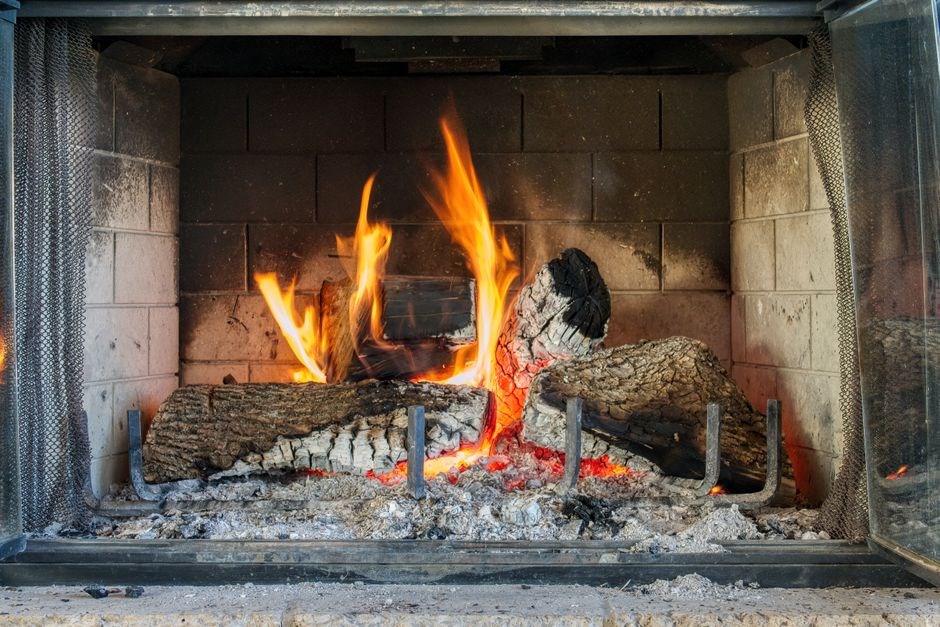
Proper combustion and exhaust management are essential for safe operation of the Quadra‑Fire Mt Vernon.
The stove’s combustion chamber is designed to maintain air‑fuel ratios; the air shutter should be set per the manufacturer’s guidelines for the current fuel load.
The exhaust system, a cast‑iron pipe and a blower, must be inspected monthly for soot buildup.
Use a long‑handle brush to clear deposits from the pipe’s interior and dry it.
Any remaining residue can be removed with a detergent solution, followed by a dry wipe.
The blower motor should be rotated in directions to ensure it is free of obstructions; replace the belt if it shows signs of wear or cracking.
Verify that the exhaust vent is clear of obstructions outside the building, and that the vent cap is securely fastened.
Check the chimney for cracks or blockages; a professional inspection is recommended if the stove has been in use for more than 12 months.
Maintain a log of all inspections and cleaning activities.
Failure to manage combustion and exhaust properly can lead to carbon monoxide buildup, reduced efficiency, and potential fire hazards.
Follow the safety instructions in the owner’s manual and contact service support for any irregularities.
Ensure the vent is free of debris and that the fan operates at the correct speed; deviation may indicate a malfunction that should be inspected by a qualified technician. Verify the fan speed with a tachometer promptly.
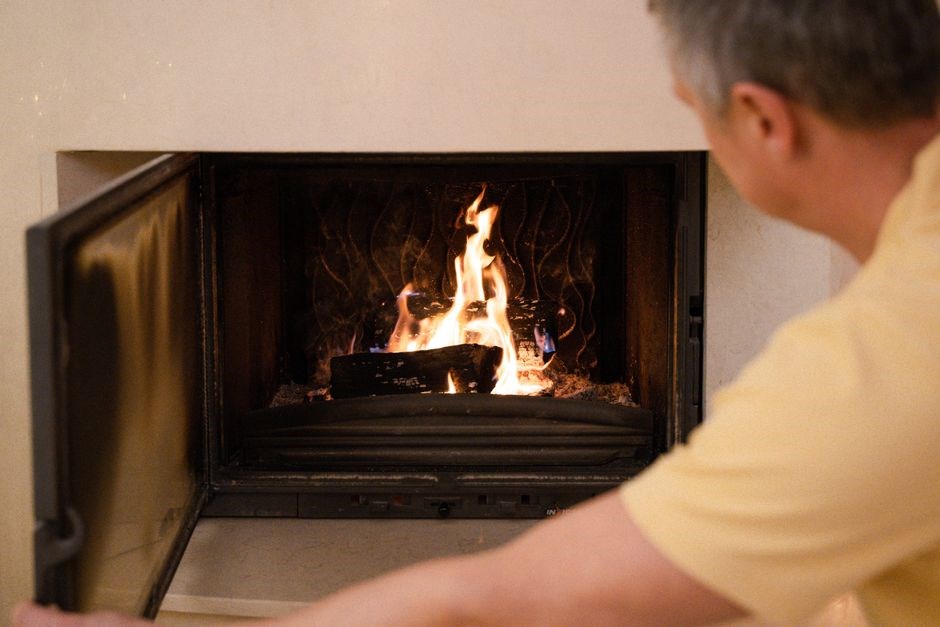
Schedule a yearly inspection to verify blower, fan, and exhaust function within specified limits, ensuring safety and efficiency and proper care!!;

Component Replacement
Blower and glass components are replaceable. Follow the manual’s step‑by‑step guide: remove the door, unscrew the blower, replace the motor, reinstall. For glass, lift the door, remove the old pane, fit the new one, and secure. Use OEM parts only. Check part numbers and verify compatibility. OK
Blower Replacement
To replace the blower on a Quadra‑Fire Mt Vernon stove, first ensure the unit is powered down and cooled. Remove the front door by lifting it off the hinge pins and set it aside. Locate the blower assembly beneath the combustion chamber. Unscrew the mounting bolts that secure the blower housing. Carefully rotate the blower shaft to disengage it from the motor shaft. Once free, lift the blower out of its housing. Inspect the motor and fan blades for wear or damage; replace the motor if it shows signs of failure. Install the new blower by aligning the shaft with the motor shaft. Reattach the housing and secure with the original bolts. Tighten all fasteners to the manufacturer’s torque specifications. Reconnect the electrical wiring, ensuring polarity. Finally, reinstall the front door, re‑apply the hinge pins, and test the blower operation by powering the stove and observing the fan spin. If the blower does not run, check for obstructions, verify the power supply, and consult the troubleshooting section of the owners manual. Use OEM replacement parts to maintain warranty and safety compliance.
When installing the new blower, ensure the housing is sealed to prevent heat loss. Tighten all bolts to the specified torque, 15 ft‑lb for main mounting bolts and 10 ft‑lb for secondary bolts. After reassembly, perform a leak test by checking for smoke or odor. If the blower remains silent, double‑check the power supply, verify the control board voltage. Record all steps in the service log. Refer to the manual for details. !
Glass Replacement
To replace the front glass panel on a Quadra‑Fire Mt Vernon stove, first power down the unit and allow the combustion chamber to cool completely. Swing open the front face by lifting the door off its hinge pins; carefully set the door aside on a flat surface. Locate the glass panel frame and remove the retaining screws that secure the glass to the frame. Gently lift the old glass out of the frame, taking care not to damage the surrounding metal. Inspect the frame for cracks or warping; if any are present, replace the entire frame before installing the new glass. Select a replacement glass that matches the manufacturer’s specifications (typically 1/4‑inch tempered glass, 18 inches wide by 24 inches tall). Slide the new glass into the frame, ensuring it sits flush against all edges. Re‑install the retaining screws, tightening them to the manufacturer’s torque setting of 8 ft‑lb. Re‑attach the front door by aligning the hinge pins with the door’s holes and gently lowering the door back onto the pins. Verify that the door closes smoothly and that the glass is fully seated. Finally, test the stove’s operation to confirm that the new glass panel does not interfere with airflow or heat distribution. If any gaps or misalignments are observed, readjust the screws or replace the frame as needed. Always use OEM glass to maintain warranty coverage and safety compliance. For additional guidance, consult the Quadra‑Fire Mt Vernon Owner’s Manual or contact technical support today.!!

Warranty and Service
Quadra‑Fire provides a 5‑year limited warranty on all parts and labor for Mt Vernon models. For service requests, contact Quadra‑Fire Customer Support at 1‑800‑QUADRA (1‑800‑587‑2872) or email support@quadrafire.com. Warranty terms apply per U.S. law. Contact us now
Contact and Support
For all warranty claims, service inquiries, or technical assistance related to the Quadra‑Fire Mt Vernon pellet stove, please contact our dedicated Customer Support team. Phone support is available Monday through Friday, 8 a.m. to 5 p.m. Pacific Time, excluding federal holidays. Call 1‑800‑QUADRA (1‑800‑587‑2872) and a representative will guide you through troubleshooting steps, schedule a technician visit, or provide parts ordering information. For written inquiries, email support@quadrafire.com. All correspondence will be acknowledged within 24 hours. If you need a repair technician, we will dispatch a qualified service professional to your location. Our technicians are certified by Quadra‑Fire and trained on all model variants, including 7080‑132N, 7082‑132L, and 7082‑132I. They will verify the warranty status, perform diagnostics, and replace any defective components. If a component is out of warranty, we will provide an estimate before proceeding. For parts ordering, you can also visit our online parts catalog at www.quadrafire.com/parts. Please have your model number and serial number ready when contacting us. The warranty covers manufacturing defects for five years from the date of purchase, subject to normal use and proper maintenance as outlined in the Owner’s Manual. For extended service plans, inquire about the Quadra‑Fire Service Plus program, which offers priority scheduling and discounted parts. Thank you for choosing Quadra‑Fire; we are committed to keeping your stove safe and reliable!