The Rainbow Fish PDF: A Comprehensive Guide (Updated March 24, 2026)
This guide explores accessing “The Rainbow Fish” in PDF format, covering legitimate download sources like the Internet Archive and publisher sites,
along with educational uses and copyright considerations as of today, March 24, 2026.
What is “The Rainbow Fish”?
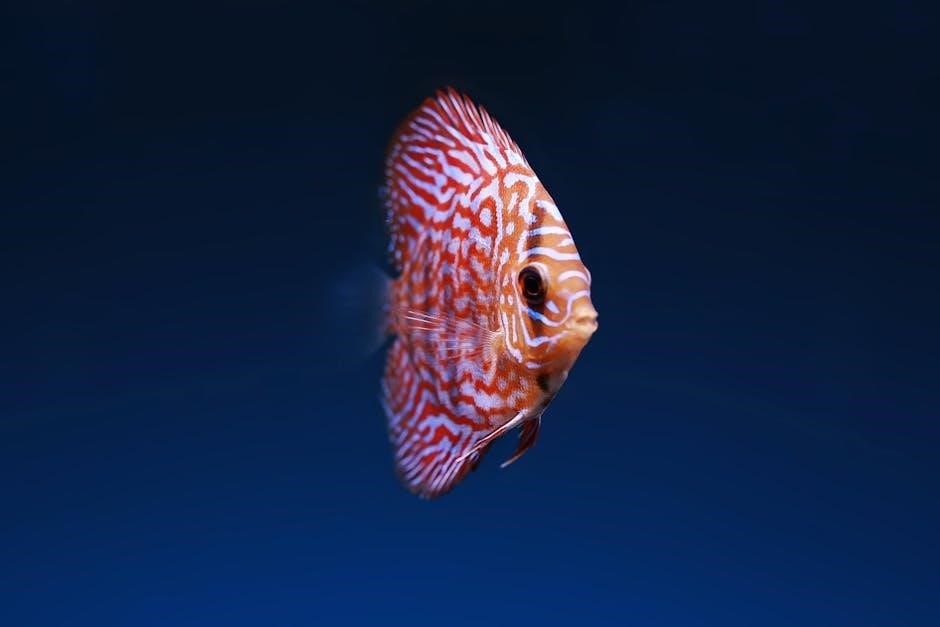
“The Rainbow Fish” is a beloved children’s picture book, originally published in 1992, created by Swiss author Marcus Pfister. The story centers around a spectacularly beautiful fish distinguished by its shimmering, scaled coat. However, this beauty initially leads to isolation, as the Rainbow Fish is too proud to play with others.
The narrative follows the fish’s journey of learning to share its scales – representing its unique qualities – to gain friendship and overcome loneliness. The book’s enduring appeal stems from its simple yet profound message about generosity and the importance of connection.
Digitally, “The Rainbow Fish” is frequently sought in PDF format for convenient access, particularly for educational purposes and sharing within classrooms or families. The Internet Archive offers access to various editions, including big book versions, facilitating group reading experiences.

Author and Publication Details: Marcus Pfister’s Classic
Marcus Pfister, a Swiss author and illustrator, brought “The Rainbow Fish” to life in 1992 through North-South Books, Inc., based in New York. Pfister is renowned for his innovative use of collage techniques, particularly the application of foil to create the Rainbow Fish’s dazzling scales, enhancing the book’s visual appeal.
The original German title is “Der Regenbogenfisch,” and the story has since been translated into numerous languages, becoming a global phenomenon. The PDF versions circulating online often reflect different editions, including the larger “big book” format designed for classroom storytelling.
Availability of the PDF format allows educators and parents easy access to this classic tale, supporting literacy and fostering discussions about sharing and friendship. The Internet Archive provides a digital record of these publications.
The Story’s Core Message: Sharing and Friendship
“The Rainbow Fish” beautifully illustrates the transformative power of generosity. Initially, the Rainbow Fish’s stunning scales isolate him, as other fish desire but cannot attain his beauty. He learns that true happiness isn’t in possessing everything, but in sharing what he has with others.
The narrative emphasizes the importance of connection and overcoming loneliness. By gifting a single scale to each fish, the Rainbow Fish builds friendships and discovers the joy of belonging. PDF versions of the story facilitate repeated readings, reinforcing this vital message.
This core theme makes the PDF a valuable resource for educators and parents, prompting discussions about empathy, kindness, and the rewards of selfless acts within a community.
Availability of “The Rainbow Fish” PDF
Finding a PDF version of “The Rainbow Fish” is surprisingly accessible, though navigating legitimate sources is crucial. The Internet Archive currently hosts a downloadable version, translated from the original German, offering free access to this beloved tale.
Publisher websites and established online bookstores may also offer PDF copies for purchase, ensuring high-quality digital editions. However, be cautious of unofficial sites offering downloads, as these may infringe on copyright.
Various editions exist, including big book formats ideal for classroom reading, all potentially available as PDFs. Checking library databases can also reveal digital lending options.
Legitimate Sources for PDF Downloads
Securing a PDF of “The Rainbow Fish” requires utilizing trustworthy platforms. The Internet Archive stands out as a reliable, free resource, currently hosting a translated version of Pfister’s classic. This provides legal access to the story’s content.
Publisher websites, such as North-South Books, and reputable online bookstores like Amazon or Barnes & Noble, frequently offer digital copies for purchase. These sources guarantee quality and support the author’s work.
Always prioritize these official channels to avoid copyright infringement and ensure a safe downloading experience. Beware of unofficial websites promising free PDFs, as they may contain malware.
Internet Archive Access
The Internet Archive provides a readily available PDF version of “The Rainbow Fish,” translated from the original German. As of March 24, 2026, the archive details a record (urn:oclc:record:1036820230) offering both borrowing and streaming options.
Notably, the archived version lacks page numbers and a table of contents, but includes both standard and “big book” editions (urn:lcp:rainbowfish00pfis:lcpdf:b9a57ffc-9a67-4035-bf49-36a1ce8fb77c). This accessibility makes it a valuable resource for educators and readers alike.
Users can access this digital copy free of charge, contributing to the Archive’s mission of universal access to knowledge. It’s a legal and convenient way to enjoy Marcus Pfister’s beloved tale.
Publisher Websites & Online Bookstores
While free PDF access can be limited, publisher websites and major online bookstores often offer “The Rainbow Fish” in digital formats, sometimes including PDF options for institutional purchase.

North-South Books, Inc., the original publisher (mentioned in Storyline Online resources), may provide PDF versions for educational licensing or bulk orders. Checking their official website is recommended.
Retailers like Amazon and Barnes & Noble typically sell eBook versions (EPUB, Kindle) which, while not PDFs, offer similar digital reading experiences.
Be cautious of unofficial websites offering free PDFs, as these may violate copyright laws. Prioritize legitimate sources to support the author and publisher.
Understanding PDF Formats: Big Book Editions & Standard Versions
“The Rainbow Fish” PDFs come in various formats, notably standard page layouts suitable for individual screens and “Big Book” editions designed for classroom read-alouds.
Big Book PDFs feature enlarged text and illustrations, optimized for projection during group reading sessions. The Internet Archive notes the availability of a “Big book ed.” version.
Standard PDF versions are typically formatted for 8.5 x 11 inch pages, ideal for printing or viewing on tablets and computers. These often lack page numbers or a table of contents, as indicated by the Internet Archive record.
The chosen format depends on the intended use; educators often prefer Big Book editions, while parents may opt for standard PDFs for home reading.
Why the PDF Format is Popular for “The Rainbow Fish”
The PDF format’s popularity for “The Rainbow Fish” stems from its accessibility and versatility. It allows easy distribution for educational purposes, particularly within classrooms, enabling teachers to readily share the story with students.
PDFs maintain formatting consistency across different devices, ensuring the vibrant illustrations and text appear as intended; This is crucial for a visually rich book like “The Rainbow Fish.”
Furthermore, PDFs can be adapted for readers with visual impairments through screen readers and magnification tools, promoting inclusivity. The format’s portability also allows access anywhere, anytime.
Its widespread compatibility makes it a convenient choice for both printing and digital reading experiences.
Educational Use in Classrooms
“The Rainbow Fish” PDF is a valuable resource for educators, facilitating interactive read-aloud sessions and fostering discussions about important social-emotional themes like sharing and friendship.
Teachers can easily project the PDF onto a screen for whole-class viewing, or distribute individual copies for close reading and annotation. The digital format allows for seamless integration with interactive whiteboards and learning platforms.
PDFs support phonemic awareness activities, as evidenced by resources linked to the story, enhancing literacy skills. The story’s simple narrative and vibrant imagery make it ideal for early learners.
Accessibility features within PDF readers can further support diverse learners, ensuring all students can engage with the text effectively.
Accessibility for Readers with Visual Impairments
The PDF format of “The Rainbow Fish” offers accessibility features crucial for readers with visual impairments, enhancing inclusivity and enjoyment of this beloved story.
PDF readers often include text-to-speech functionality, allowing the story to be narrated aloud, making it accessible to those who cannot easily read the text visually.
Adjustable font sizes and screen contrast options within PDF viewers cater to individual needs, reducing eye strain and improving readability.
Furthermore, PDFs can be compatible with screen reader software, providing a comprehensive auditory experience for visually impaired individuals, ensuring equal access to literature.
These features empower all children to experience the magic of “The Rainbow Fish” regardless of visual ability.
Key Characters in “The Rainbow Fish”
“The Rainbow Fish” centers around a dazzling protagonist and a supporting cast that drives the narrative of sharing and friendship, readily available in PDF versions.
The Rainbow Fish himself is the most beautiful creature in the sea, initially admired for his shimmering scales but ultimately lonely due to his perceived superiority.
The little blue fish represents humility and courage, initiating interaction with the Rainbow Fish and prompting a journey of self-discovery.
Other sea creatures form a community that initially shies away from the Rainbow Fish, highlighting the impact of exclusivity.
These characters, vividly depicted in the PDF illustrations, embody the story’s core themes of kindness and connection.

The Rainbow Fish Himself
The Rainbow Fish, the story’s namesake, is renowned for his extraordinary scales, shimmering with all the colors of the rainbow, beautifully showcased in the PDF format.
Initially, his beauty isolates him; other fish desire his scales but are afraid to ask, leading to loneliness, a key element explored within the PDF narrative.
He embodies a sense of pride and exclusivity, struggling to understand the value of friendship over material possessions, vividly illustrated in the PDF’s pages.
Throughout the story, the PDF visually depicts his transformation as he learns to share, ultimately discovering true happiness through connection.
His character arc, readily accessible in the PDF, serves as a powerful lesson in empathy and the importance of kindness.
The Little Blue Fish and Other Sea Creatures

The little blue fish, a pivotal character in the PDF story, represents the desire for connection and the courage to approach the seemingly unattainable Rainbow Fish.
He initiates the interaction that ultimately leads to the Rainbow Fish’s transformation, a key moment clearly depicted within the PDF’s illustrations.
The other sea creatures, as presented in the PDF, initially admire the Rainbow Fish from afar, symbolizing the barrier created by his exclusive beauty.
They represent the wider community that benefits from the Rainbow Fish’s eventual generosity, a heartwarming message conveyed through the PDF format.
Their reactions and interactions, vividly shown in the PDF, highlight the importance of inclusivity and the joy of shared experiences.
Plot Summary: From Isolation to Connection
The “Rainbow Fish” PDF narrates the tale of a magnificent fish who possesses scales of shimmering beauty, yet suffers from profound loneliness due to his unwillingness to share.
Initially, he rejects the advances of other fish seeking a single scale, leading to his isolation, a poignant theme readily accessible within the PDF’s pages.
Upon the advice of the wise old sea turtle, the Rainbow Fish begins to share his scales, one by one, fostering friendships and experiencing the joy of giving.
As he distributes his radiant scales, depicted beautifully in the PDF’s illustrations, his initial fear of losing his beauty transforms into happiness.

The PDF culminates in the Rainbow Fish surrounded by friends, demonstrating that true beauty lies in kindness and connection, a powerful message for readers.
Themes Explored in the Book
The “Rainbow Fish” PDF profoundly explores universal themes of generosity, friendship, and the importance of sharing, resonating with readers of all ages.

Central to the narrative is the value of kindness, illustrated as the Rainbow Fish discovers that giving brings greater joy than possessing material beauty, a key takeaway from the PDF.
The story directly addresses overcoming loneliness, showcasing how sharing and connection alleviate isolation, a message vividly portrayed within the digital pages.
Furthermore, the PDF subtly examines self-worth, demonstrating that true value isn’t derived from external appearances but from inner qualities and relationships.
These themes are reinforced through the book’s simple yet impactful storyline, making the “Rainbow Fish” PDF a valuable tool for social-emotional learning.
The Value of Kindness
The “Rainbow Fish” PDF beautifully illustrates the transformative power of kindness, demonstrating how small acts of generosity can create significant positive change.
Initially, the Rainbow Fish’s reluctance to share his scales highlights the isolating effect of selfishness, a stark contrast presented within the downloadable PDF.
As he begins to share, the story emphasizes the joy derived from giving, showing that true happiness lies in connecting with others, a core message of the book.
The PDF visually reinforces this theme, with each shared scale representing a strengthened bond and a lessening of the Rainbow Fish’s initial loneliness.
Ultimately, the narrative champions kindness as a pathway to friendship and belonging, making the “Rainbow Fish” PDF a powerful lesson in empathy and compassion.
Overcoming Loneliness
The “Rainbow Fish” PDF poignantly depicts the struggle with loneliness, showcasing how the fish’s dazzling scales initially create distance rather than connection.
His initial pride in his appearance prevents him from forming friendships, leading to isolation – a central theme readily apparent when reading the PDF version.
The narrative demonstrates that material possessions don’t equate to happiness, and true fulfillment comes from reciprocal relationships, a key takeaway from the story.
As the Rainbow Fish shares his scales, he actively breaks down the barriers that separated him from the other fish, fostering a sense of community.
The PDF serves as a valuable tool for discussing emotional well-being, illustrating how kindness and sharing can alleviate feelings of loneliness and foster belonging.
Phonemic Awareness Activities & Educational Resources
The “Rainbow Fish” PDF is a fantastic resource for early literacy development, particularly in phonemic awareness activities.
Teachers can utilize the story to focus on initial sounds, like identifying words beginning with “R” for Rainbow Fish, enhancing auditory discrimination skills.
Rhyming exercises based on the text are easily implemented, encouraging children to generate words that rhyme with “fish” or “scales,” boosting phonological awareness.
Segmenting and blending sounds within key words – such as breaking down “rainbow” into its individual phonemes – strengthens phonetic skills.

Numerous online resources complement the PDF, offering printable worksheets and lesson plans designed around the story’s themes and language, enriching the learning experience.
“Storyline Online” and Video Adaptations
While focusing on the PDF version, it’s valuable to note the availability of engaging video adaptations of “The Rainbow Fish.”
“Storyline Online” features a professional reading of the book, bringing the narrative to life with expressive narration and captivating visuals, enhancing comprehension.
These video resources can supplement PDF usage, offering a multi-sensory learning experience for children, particularly beneficial for visual learners.
Teachers can utilize the video as a pre-reading activity, sparking interest before diving into the PDF text, or as a post-reading reinforcement tool.
The 1992 publication date of the original book means various animated versions exist, providing diverse interpretations of Pfister’s beloved tale.
Copyright Considerations When Downloading PDFs
Downloading PDFs of copyrighted material, like “The Rainbow Fish,” requires careful attention to copyright law. Unauthorized distribution constitutes infringement.
Always prioritize legitimate sources – publisher websites, authorized online bookstores, or platforms like the Internet Archive – to ensure compliance.
Free downloads from unofficial websites often violate copyright and may contain malware, posing risks to your device and data.
Educational use may fall under “fair use” guidelines, but this depends on the extent of the use and adherence to copyright principles.
Respecting the author’s and publisher’s rights supports the creation of future children’s literature and ensures continued access to quality content.
Alternatives to PDF: eBook Formats (EPUB, Kindle)
While PDFs are convenient, exploring eBook formats like EPUB and Kindle (.mobi or .azw) offers enhanced reading experiences for “The Rainbow Fish.”
EPUB files are reflowable, adjusting text size and layout to fit various devices, providing greater accessibility and readability.
Kindle formats are optimized for Amazon’s e-readers, offering features like adjustable fonts, built-in dictionaries, and Whispersync technology.
These formats often include interactive elements and enhanced features not available in standard PDFs, enriching the storytelling experience.
Consider purchasing eBooks from reputable online bookstores to support authors and ensure a legal, high-quality reading experience.
Finding Related Resources: Coloring Pages & Activities
Beyond the PDF of the story itself, a wealth of supplementary materials enhances the “Rainbow Fish” experience for children and educators.
Numerous websites offer free printable coloring pages featuring the Rainbow Fish and his underwater companions, fostering creativity and fine motor skills.
Educational resources include phonemic awareness activities directly tied to the story, like identifying rhyming words or focusing on initial sounds.
Teachers and parents can find lesson plans incorporating the book’s themes of sharing and friendship, promoting social-emotional learning.
Search online for “Rainbow Fish activities” to discover crafts, games, and interactive exercises that bring the story to life.
Common Issues with PDF Downloads & Troubleshooting
Downloading “The Rainbow Fish” PDF can sometimes present challenges. Users may encounter corrupted files, rendering the document unreadable or displaying errors.
Slow download speeds or interrupted connections can also lead to incomplete PDF files, requiring a restart of the download process.

Compatibility issues with older PDF readers are possible; updating to the latest version often resolves these problems.
Security settings on your device or browser might block downloads from certain sources, necessitating adjustments to allow access.
If issues persist, try clearing your browser’s cache and cookies, or using a different browser or download manager for a more reliable experience.