Zone 3a Planting Guide Canada: A Comprehensive Overview
Navigating gardening in Zone 3a requires a detailed plan, utilizing a planting calendar for optimal sowing and harvesting, considering the short growing season.
Understanding Zone 3a
Zone 3a represents a specific climate region within the Canadian hardiness zone map, characterized by consistently cold winters and a relatively short growing season. This zone experiences minimum winter temperatures that can dip to -40°C (-40°F), demanding careful plant selection and strategic gardening practices. Gardeners in Zone 3a must prioritize hardy varieties capable of withstanding these harsh conditions.
Understanding the nuances of Zone 3a is crucial for successful gardening. It’s the coldest US growth zone, requiring a proactive approach to extending the growing season through techniques like starting seeds indoors and utilizing protective coverings. Successful cultivation hinges on knowing which plants can thrive, and when to plant them, maximizing the limited warm-weather period. Careful planning is essential for a bountiful harvest.
Defining the Climate in Zone 3a
Zone 3a’s climate is defined by long, cold winters, typically lasting from November to March, with significant snowfall and consistently freezing temperatures. Summers are short and cool, with average temperatures rarely exceeding 20°C (68°F). This presents unique challenges for gardeners, necessitating a focus on frost-tolerant plants and season-extension techniques.
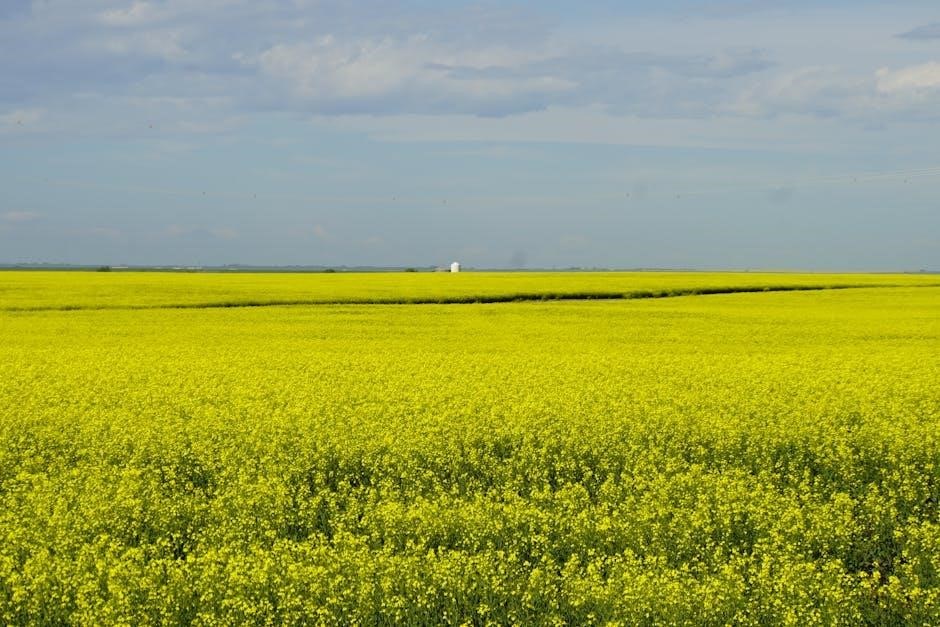
The growing season is comparatively brief, often spanning only 85 to 100 days. This limited timeframe demands efficient planning and the use of methods like starting seeds indoors weeks before the last expected frost. Local weather patterns and microclimates within Zone 3a can also influence growing conditions, so gardeners should consider their specific location. Understanding these climatic factors is paramount for successful gardening in this challenging, yet rewarding, zone.
First and Last Frost Dates in Zone 3a
Determining the first and last frost dates is crucial for Zone 3a gardeners, directly impacting planting schedules and crop success. Generally, the last spring frost occurs between May 15th and May 31st, though this can vary significantly based on location and year. Similarly, the first fall frost typically arrives between September 15th and September 30th.
These dates define the length of the growing season, emphasizing the need for careful planning. Utilizing online tools and local resources to pinpoint precise frost dates for your specific area is highly recommended. Starting seeds indoors well before the last frost allows for a head start, while protecting late-season crops from early frosts extends the harvest. Accurate frost date knowledge is fundamental for maximizing yields in Zone 3a’s short growing season.
Vegetable Planting Calendar for Zone 3a
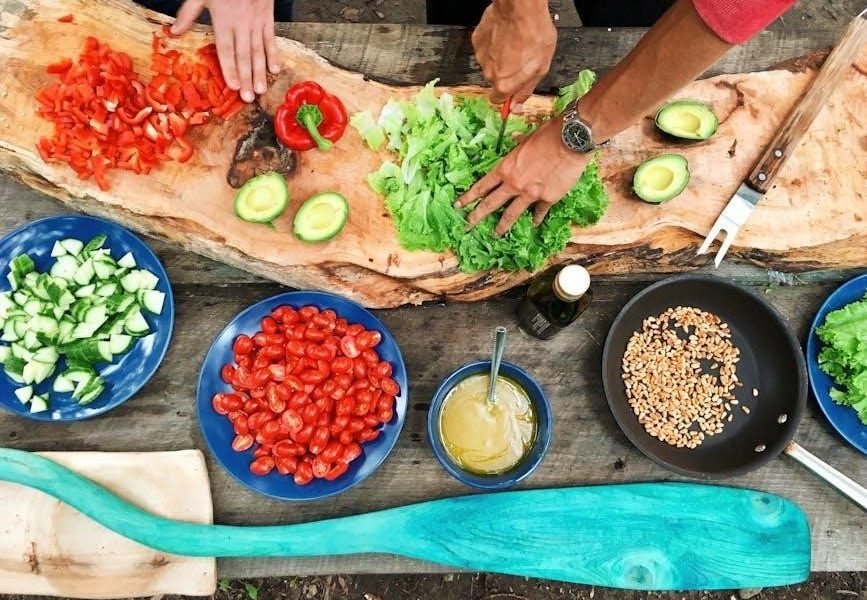
A well-planned calendar is essential, outlining optimal times for sowing seeds, transplanting seedlings, and harvesting vegetables, maximizing the brief growing season.
Early Spring Planting (March ‒ April)
As the snow melts and the soil begins to thaw in March and April, focus on cool-season vegetables that can tolerate a late frost. This is the prime time to start seeds indoors for later transplanting, giving them a head start. Directly sow hardy vegetables like spinach, lettuce, radishes, and peas into the garden as soon as the soil is workable.
Protect young seedlings with row covers or cold frames to shield them from unexpected temperature drops. Potatoes can also be planted in early spring, providing a substantial harvest later in the season. Remember to amend the soil with compost to provide essential nutrients. Careful planning during these months sets the stage for a productive garden year, capitalizing on the limited warm weather available in Zone 3a. Prioritize frost-tolerant varieties for best results.
Cool-Season Vegetables for Early Planting
Zone 3a gardeners should prioritize cool-season vegetables for early planting in March and April to maximize the short growing season. Excellent choices include spinach, lettuce (leaf and romaine varieties), radishes, and peas. These vegetables thrive in cooler temperatures and can withstand light frosts. Consider planting kale, Swiss chard, and mustard greens for continuous harvests throughout the spring and early summer.
Root vegetables like carrots and beets can also be directly sown into the garden during this period, though they may benefit from a bit of protection. Don’t forget about onions and garlic, which are typically planted in the spring for a summer or fall harvest. Selecting cold-hardy varieties is crucial for success in Zone 3a, ensuring a bountiful yield even with unpredictable weather patterns.
Late Spring/Early Summer Planting (May ⏤ June)
As the risk of frost diminishes in May and June, Zone 3a gardeners can transition to planting warm-season vegetables. This is the ideal time for beans (bush and pole varieties), cabbage, broccoli, and cauliflower. Ensure all danger of frost has passed before transplanting tomatoes, peppers, and eggplants, as these are highly sensitive to cold temperatures.
Cucumbers and zucchini can also be directly sown into the garden during this period. Consider using row covers to provide extra warmth and protection, especially during cooler evenings. Succession planting is key to extending the harvest; sow seeds every few weeks for a continuous supply of fresh vegetables. Remember to harden off seedlings before transplanting to acclimate them to outdoor conditions.
Warm-Season Vegetables for Planting After Frost
Once the last frost date has reliably passed, Zone 3a gardeners can enthusiastically plant a diverse range of warm-season vegetables. Tomatoes, peppers, and eggplants, requiring consistent warmth, thrive when transplanted after the soil has warmed sufficiently. Cucumbers, zucchini, and summer squash also flourish during this period, benefiting from direct sowing or transplanting.
Beans, both bush and pole varieties, are excellent choices for late spring planting. Corn can also be sown directly into the garden. Consistent watering and fertilization are crucial for optimal growth and yields. Utilizing mulch helps retain soil moisture and suppress weed growth. Remember to monitor for pests and diseases, taking preventative measures as needed to ensure a bountiful harvest throughout the summer months.
Mid-Summer Planting (July)
July in Zone 3a presents a unique opportunity for “succession planting,” extending the harvest well into the fall. Quick-maturing crops like radishes, lettuce, and spinach can be directly sown for a late-season yield. Consider planting another round of bush beans or beets for a continuous supply. Carrots, while slower to mature, can also be sown in July, benefiting from the cooler temperatures.
This is also an ideal time to start seedlings indoors for fall crops like kale, broccoli, and cabbage, providing them a head start before transplanting. Careful watering is essential, as July can be a dry month. Succession planting maximizes garden space and ensures a steady stream of fresh produce, even with Zone 3a’s limited growing season.
Succession Planting for Continuous Harvests
Maximizing Zone 3a’s short growing season demands strategic succession planting – staggering planting times to ensure a continuous harvest. Instead of planting all your lettuce at once, sow seeds every two to three weeks. This provides a fresh supply throughout the summer and into the fall. Radishes mature quickly, allowing for multiple plantings within a single season.
Similarly, beans and peas benefit from successive sowings. Consider planting a second round of carrots in mid-summer for a fall harvest. Utilizing this technique extends the productivity of your garden beds and reduces the risk of having a glut of produce all at once. Careful planning and record-keeping are key to successful succession planting.
Specific Vegetable Planting Timelines
Detailed timelines are crucial for Zone 3a vegetables, factoring in frost dates and maturity periods to optimize yields and enjoy fresh produce all season.
Tomatoes in Zone 3a

Growing tomatoes successfully in Zone 3a presents unique challenges due to the short growing season and potential for late frosts. Starting tomato seeds indoors 6-8 weeks before the last expected frost is absolutely essential. This head start allows the plants to develop sufficiently before transplanting.
Choose early-maturing tomato varieties specifically bred for cooler climates, such as ‘Early Girl’, ‘Sub Arctic Plenty’, or ‘Stupice’. Harden off seedlings gradually over 7-10 days before transplanting outdoors after all danger of frost has passed, typically in late May or early June.
Provide tomatoes with full sun (at least 6-8 hours daily) and well-drained, fertile soil. Consider using row covers or cloches early in the season to protect plants from unexpected cold snaps. Support tomato plants with stakes or cages to prevent them from sprawling and to improve air circulation. Consistent watering and fertilization are also key to a bountiful harvest.
Potatoes in Zone 3a
Potatoes are a fantastic choice for Zone 3a gardens, being relatively cold-hardy and offering a substantial harvest. Plant seed potatoes (not grocery store potatoes!) in early to mid-May, once the soil has warmed to at least 7°C (45°F). Chitting, or pre-sprouting, seed potatoes indoors for a few weeks before planting can give them a head start.
Choose early-maturing potato varieties like ‘Yukon Gold’, ‘Red Norland’, or ‘Irish Cobbler’ to ensure a harvest before the first frost. Plant seed potatoes about 4-6 inches deep and 12-18 inches apart in well-drained soil enriched with compost.
Hilling – drawing soil up around the stems as they grow – is crucial for maximizing potato yield. This encourages more tuber development. Keep the potato plants consistently watered, especially during dry spells. Harvest potatoes when the foliage begins to die back, typically in late summer or early fall.
Lettuce and Spinach in Zone 3a
Lettuce and spinach thrive in the cooler temperatures of Zone 3a, making them ideal for both early spring and late summer/fall planting. Direct sow seeds as soon as the soil can be worked in March or April for an early harvest. For a continuous supply, practice succession planting – sowing a small batch of seeds every 2-3 weeks.
Choose bolt-resistant varieties to prevent premature flowering, especially during warmer spells. Spinach prefers consistently moist soil, while lettuce is a bit more tolerant of drier conditions. Protect young seedlings from late frosts with row covers or cloches.
Harvest lettuce leaves as needed, or harvest the entire head when it reaches a desirable size. Spinach can be harvested similarly, taking outer leaves first. A fall crop of lettuce and spinach can often extend well into October or November with proper protection.
Carrots and Root Vegetables in Zone 3a
Carrots and other root vegetables like radishes, beets, and turnips are well-suited to Zone 3a’s cooler climate, but require consistent moisture for optimal development. Direct sowing is crucial, as root vegetables don’t transplant well. Sow carrot seeds directly into well-drained soil in late spring (May-June), after the last frost risk has passed.
Radishes mature quickly, offering a fast reward, while beets and turnips take a bit longer. Ensure the soil is loose and free of rocks to prevent misshapen roots. Consistent watering is vital, especially during dry periods, to avoid splitting or bitterness.
Succession planting every few weeks will provide a continuous harvest throughout the summer and into the fall. Consider a fall planting of carrots for a sweeter flavor after a light frost.
Fruit Tree and Bush Planting in Zone 3a
Selecting hardy varieties is key for fruit success; consider apples, pears, plums, and berries, ensuring proper planting and ongoing care practices.
Hardy Fruit Varieties for Zone 3a
Choosing the right fruit trees and bushes is paramount for success in Zone 3a’s challenging climate. Apples are exceptionally well-suited, with varieties like ‘Honeycrisp’, ‘Haralson’, and ‘Prairie Magic’ demonstrating excellent cold hardiness and reliable yields. Pears, though requiring a bit more protection, can thrive with cultivars such as ‘Ure’ and ‘Summercrisp’.
For plums, consider ‘Pembina’ and ‘Stanley’, known for their ability to withstand frigid temperatures. Numerous berry options flourish, including raspberries (‘Boyne’, ‘Nova’), saskatoons (‘Thiessen’, ‘Honeywood’), and currants (red and black varieties). These bushes offer abundant harvests and add delightful flavors to your garden.
Remember to select rootstocks appropriate for Zone 3a conditions, often dwarfing or semi-dwarfing, to promote earlier fruiting and easier management. Prioritize disease resistance when making your selections, minimizing the need for chemical interventions.
Planting and Care Considerations
Successful fruit tree and bush establishment in Zone 3a demands careful attention to planting techniques and ongoing care. Spring planting, after the last frost, is generally recommended, allowing roots to establish before winter. Ensure well-drained soil, amended with compost to enhance fertility and structure. Proper spacing is crucial for air circulation and sunlight penetration.
Protect young trees from winter damage with tree guards or burlap wraps, shielding them from harsh winds and sunscald. Mulching around the base helps insulate roots and retain moisture. Regular pruning is essential for shaping trees, removing dead or diseased wood, and promoting fruit production.
Consistent watering, especially during dry spells, is vital. Monitor for pests and diseases, implementing preventative measures or organic controls when necessary. Consider cross-pollination requirements when selecting varieties, ensuring adequate pollination for optimal fruit set.
Flower Planting Guide for Zone 3a
Zone 3a flower gardening thrives with hardy perennials and vibrant annuals, carefully selected for cold tolerance and a stunning, colorful display.
Perennials for Zone 3a
Selecting perennials suited for Zone 3a is crucial for a lasting garden display, as these plants reliably return year after year despite harsh winters. Consider incorporating varieties like Coneflowers (Echinacea), known for their drought tolerance and attracting pollinators, and Daylilies (Hemerocallis), offering a wide range of colors and bloom times.
Peonies (Paeonia) are another excellent choice, providing fragrant, showy blooms, while Siberian Iris (Iris sibirica) adds elegant vertical interest; For groundcover, creeping phlox (Phlox subulata) offers a carpet of spring color. Remember to choose plants rated for Zone 3a or lower to ensure their survival.
Proper planting is key; amend the soil with compost to improve drainage and fertility. Mulch around the plants to insulate the roots during winter. Deadheading spent flowers encourages continued blooming and prevents unwanted self-seeding. With careful selection and care, your Zone 3a garden will flourish with beautiful perennials.
Annuals for Zone 3a
While Zone 3a’s short growing season favors perennials, annuals provide vibrant, season-long color and fill gaps in the garden. Petunias are a popular choice, offering a cascade of blooms in various shades, and Marigolds bring cheerful yellows and oranges while deterring some pests.
Impatiens thrive in shadier spots, providing continuous flowering throughout the summer. Snapdragons add vertical interest and come in a range of colors, while Zinnias attract butterflies and make excellent cut flowers.

To maximize your annuals’ impact, start seeds indoors 6-8 weeks before the last expected frost, or purchase transplants from a local nursery. Regular deadheading encourages more blooms. Remember, annuals need to be replanted each year, but their burst of color is well worth the effort in a Zone 3a garden.
Resources for Zone 3a Gardeners
Local nurseries and online tools offer invaluable support, providing tailored planting calendars, frost date information, and expert advice for successful gardening.
Local Nurseries and Garden Centers
Connecting with local nurseries and garden centers is paramount for Zone 3a gardeners, offering specialized knowledge and plant varieties suited to the challenging climate. These establishments often stock plants already acclimated to the region, increasing your success rate. Experienced staff can provide personalized advice on selecting the right plants, understanding local soil conditions, and managing potential pest or disease issues.
Furthermore, local centers frequently host workshops and seminars covering topics like seed starting, composting, and winterizing gardens – invaluable resources for maximizing your yield. They are a fantastic source for regionally specific information that generalized online guides might miss. Building relationships with these local experts fosters a supportive gardening community and ensures you have access to the best possible resources throughout the growing season. Don’t hesitate to ask questions and learn from their expertise!
Online Planting Calendars and Tools
Leveraging online planting calendars and tools significantly enhances planning for Zone 3a’s brief growing season, providing date-precise sowing and transplanting windows. Many websites allow customization based on your specific location and last/first frost dates, crucial for accurate scheduling. These resources often convert “weeks before/after frost” into concrete calendar dates, simplifying succession planting and harvest predictions.
Several platforms offer interactive calendars where you can input your zone and receive tailored recommendations for vegetable and flower planting. Tools also exist to help calculate optimal seed starting times indoors, maximizing your head start. Remember to cross-reference information from multiple sources and consider your microclimate. While convenient, online tools should complement, not replace, local knowledge and observation. Utilize these digital aids to refine your garden plan and increase your chances of a bountiful harvest!